
Strategy Execution Keynote Speaker South Africa: Nkululeko
Most strategies fail not because the vision was flawed, but because the organisation lacked the operating discipline to sustain it once reality set in. Boards approve ambitious plans with confidence. Months later, those same initiatives have quietly eroded under daily operational friction and competing priorities. This gap between boardroom intent and frontline delivery is where value leaks and executive credibility suffers.
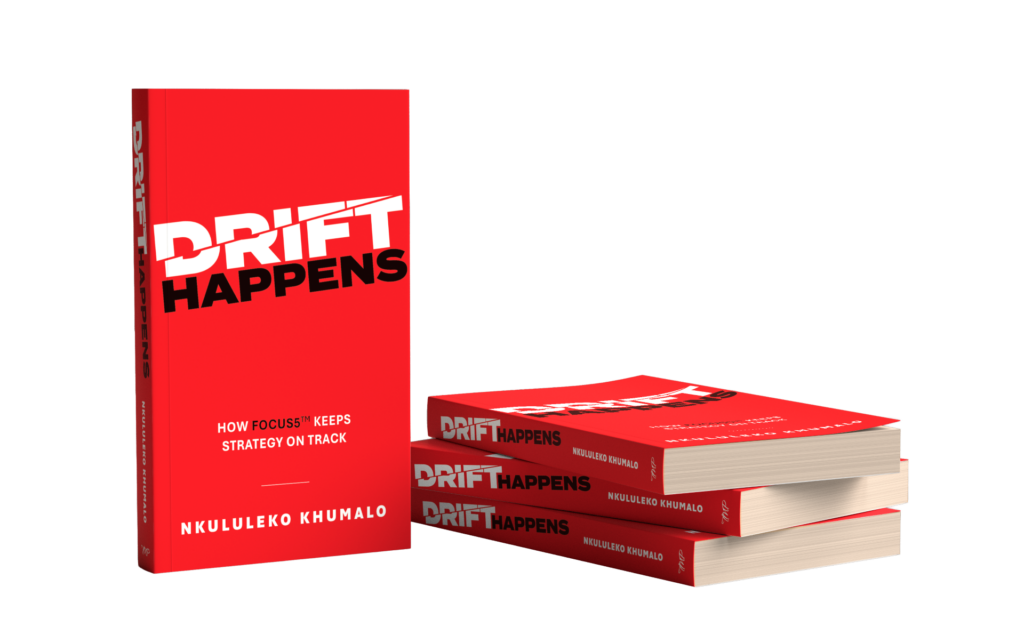
Drift happens.
It is rarely dramatic sabotage or a sudden market collapse that kills a strategy. It’s the slow accumulation of small compromises that go unnoticed until targets are missed. As a strategy execution keynote speaker in South Africa, I don’t offer motivational platitudes about resilience or vague calls for better alignment. My work diagnoses why execution fails in African corporate contexts, and gives leaders a practical system to stop the slide before quarterly results expose the damage.
Why Strategy Execution Fails Without Operating Discipline
Strategy drift happens when organisations treat strategic planning as a periodic event rather than an operating rhythm built to survive volatile markets and resource constraints. You cannot fix what you refuse to measure, and most leadership teams lack the diagnostic tools to tell a temporary setback from a systemic execution failure. The problem is usually not ambition or intelligence. It’s the absence of a disciplined mechanism that keeps strategic intent visible and actionable once operational noise intensifies.
Full-time motivational speakers often inspire audiences effectively, but inspiration without operational scaffolding fades before delegates return to their desks. An operating executive brings something different to the stage, because the insights come from active accountability rather than retrospective observation. Nkululeko Khumalo is Chief Operating Officer of Group Legal at Absa Group, and he brings that active executive accountability to every keynote engagement. The current role means the frameworks he shares are stress-tested in real time against pan-African financial services regulation, stakeholder management, and transformation mandates.
This approach does not replace technical training or detailed change management programmes. It is built for senior leaders who already understand their business but need a structured way to diagnose and correct execution breakdowns, without waiting for external consultants to validate what they already suspect. When you hire a business strategy speaker who still carries operational responsibility, the conversation shifts from theoretical best practice to lived consequences.
Two decades across Africa’s financial sector ground these keynotes in operational reality rather than theoretical models. The diagnosis starts by identifying whether your organisation is suffering from clarity deficits, ownership gaps, cadence failures, unresolved blockers, or sustainability fatigue. Each requires a different intervention. Apply the wrong fix and you waste leadership attention while the underlying problem compounds.
The Five Moves Framework for Making Strategy Stick
Generic leadership advice treats every execution problem as if it stems from the same root cause. African businesses face distinct structural pressures that demand a more granular response. The Five Moves framework (FRAME, OWN, CADENCE, UNBLOCK, SUSTAIN) is a named, repeatable system audiences can apply immediately after the keynote. Each move works as both a preventive discipline and a diagnostic tool, so leaders can pinpoint exactly where their strategy is losing traction instead of guessing at solutions.
FRAME: Clarifying Strategic Intent Beyond the Slide Deck
Strategic clarity means everyone can say what success looks like in their specific context without referencing the original deck. FRAME forces leaders to translate high-level objectives into operational definitions that survive translation across departments, geographies, and hierarchy levels. Ambiguity here is the most common silent killer of execution, because people optimise for what they think matters rather than what actually drives strategic outcomes.
Your team may be working hard, but if they are solving different versions of the same problem, effort cancels itself out. This move builds a shared language that makes misalignment visible before it becomes expensive.
OWN: Assigning Accountability That Survives Operational Pressure
Ownership fails when it’s assigned to roles rather than named individuals who have the authority and capacity to deliver. OWN moves beyond RACI matrices to build personal accountability structures that hold when crises hit and demands multiply. In African corporate environments, where talent scarcity and regulatory complexity intersect, vague ownership guarantees execution stalls.
Accountability must be visible, measurable, and tied to consequences that matter to the person holding it. Without this, even well-framed strategies become everyone’s priority, and therefore no one’s responsibility.
CADENCE: Building Rhythms That Keep Strategy Alive
Strategy dies in the silence between annual planning cycles and quarterly reviews. CADENCE builds regular touchpoints, short enough to maintain momentum but structured enough to surface real progress rather than performative reporting. The right rhythm depends on your industry volatility and organisational maturity, not generic best-practice templates imported from somewhere else.
You’ll know cadence is working when strategic conversations happen naturally in operational meetings, rather than needing separate forums that feel disconnected from the real work. Frequency matters less than consistency, and psychological safety to report honest status.
UNBLOCK: Removing Systemic Barriers Before They Stall Progress
Blockers accumulate invisibly until they reach critical mass and derail timelines that looked achievable on paper. UNBLOCK builds formal mechanisms to identify, escalate, and resolve impediments before they become accepted constraints. Many African organisations normalise dysfunction so thoroughly that leaders stop seeing systemic barriers as solvable problems, and start treating them as permanent operating conditions.
This move tells genuine external constraints apart from internal friction that leadership has simply tolerated. That distinction determines whether you need to adapt your strategy or fix your operating model.
SUSTAIN: Embedding Execution Into Organisational Muscle Memory
Early wins mean nothing if they depend entirely on heroic individual effort that burns out within quarters. SUSTAIN builds systems, incentives, and cultural norms that make execution self-reinforcing rather than leader-dependent. Transformation fatigue across the continent shows what happens when organisations chase new initiatives without locking in previous gains as durable capability.
The BizLit business book vlog and newsletter show ongoing thought leadership and a commitment to strategy execution discourse beyond the stage. This continuous engagement means the framework evolves with emerging challenges rather than sitting still as static theory. Sustainability, in the end, is about making good execution easier than bad execution, so the organisation defaults toward strategic alignment even when leadership attention shifts elsewhere.
Booking an Operating Executive for Your Next Leadership Conference
Event organisers searching for a corporate keynote speaker in Africa face a crowded market, where credentials vary wildly and marketing copy sounds identical across profiles. The decision should hinge on whether your audience needs inspiration or operational capability, because these call for fundamentally different speaker attributes. If your goal is to equip executives with diagnostic tools they can use on Monday morning, prioritise active practitioners over full-time speakers, regardless of stage presence or follower counts.
An executive speaker for leadership conferences who still operates at senior level brings currency that no amount of research can replicate. Audiences detect the difference immediately when examples carry the texture of current responsibility rather than polished anecdotes from past roles. This matters especially in South African business contexts, where leaders are sceptical of imported frameworks that ignore local regulatory, labour, and infrastructure realities.
When you book a keynote speaker on strategy execution through direct engagement rather than a generic bureau, you get customisation grounded in an actual diagnostic conversation. Pre-event discovery means the keynote addresses your organisation’s specific drift patterns, rather than delivering a standard presentation that could apply to any company in any sector. The investment pays off when leaders leave with shared vocabulary and immediate next steps, rather than notes they file away and forget.
A South African business keynote speaker with deep regional experience understands that African execution challenges aren’t merely harder versions of global ones. They are structurally different, shaped by institutional voids, talent dynamics, and stakeholder expectations that demand contextual fluency. Choose a speaker who deals with these complexities daily, and your audience gets guidance that respects their reality rather than asking them to pretend it away.
Frequently Asked Questions
What is the typical fee range for booking Nkululeko Khumalo as a keynote speaker?
Speaker fees vary based on event format, travel requirements, customisation depth, and audience size. Direct enquiry provides accurate pricing tailored to your specific conference needs rather than generic rate cards. Investment should be evaluated against expected outcomes from equipping leaders with actionable diagnostic frameworks.
How far in advance should we book a strategy execution keynote speaker?
Operating executives have limited availability due to primary professional responsibilities, so early engagement secures preferred dates. Allow sufficient lead time for pre-event discovery conversations that customise content to your organisation’s specific execution challenges. Last-minute bookings may limit customisation depth even if calendar slots remain open.
Can the Five Moves framework be adapted for non-financial sector organisations?
The framework addresses universal execution dynamics that transcend industry boundaries, though examples draw from financial services experience. Pre-event discovery identifies which sector-specific adaptations strengthen relevance for your audience. The diagnostic structure remains consistent while applications shift to match your operational context and regulatory environment.
What tangible deliverables do attendees receive beyond the keynote presentation?
Leaders gain access to the Five Moves diagnostic framework they can immediately apply to assess their own strategy execution gaps. Post-keynote resources include structured reflection tools and implementation checklists aligned to each move. Ongoing thought leadership through BizLit provides continued learning opportunities without requiring additional consulting engagements.